

Concealed Carry: Why Carry, How to Carry, and Which Method Is Right for You?
Concealed Carry Options
Concealed carry means legally carrying a firearm without making it visible.
It is not about looking tactical.
It is about being prepared, aware, and responsible.
A proper concealed-carry setup should keep your firearm:
- Secure
- Concealed
- Stable while moving
- Comfortable enough to carry consistently
- Protected from unauthorized access
- Positioned so the trigger is fully covered
The right handgun matters, but the firearm is only one part of the system. Your holster, belt, clothing, training and daily habits are equally important.
Carry quietly. Carry responsibly. Stay prepared.
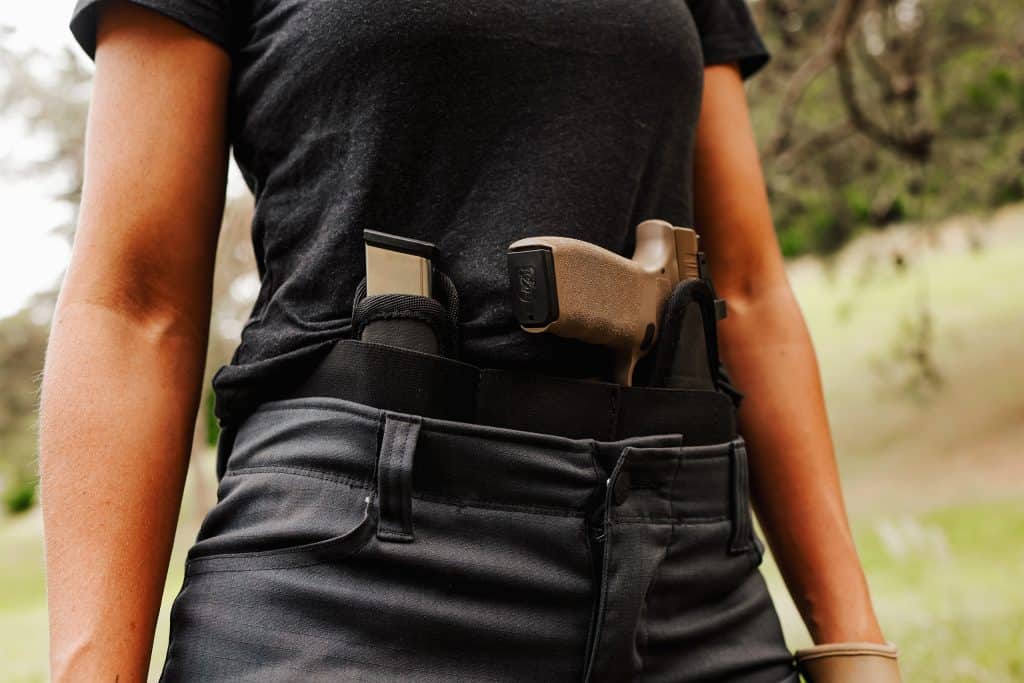
Why Do People Choose to Carry Concealed?
People carry firearms for different lawful reasons. Some want an additional means of personal protection. Others work late, travel frequently, live in rural areas or want to be better prepared to protect themselves and their families during an emergency.
Carrying a firearm, however, does not guarantee safety. It creates additional responsibilities.
A responsibly armed citizen should make avoiding danger the first priority. Situational awareness, good judgment, conflict avoidance and de-escalation are almost always preferable to confrontation. A firearm should never be displayed to intimidate someone, settle an argument or prove a point.
The decision to carry should be accompanied by:
- Firearm-safety training
- Familiarity with applicable laws
- Regular practice
- Safe storage at home and in vehicles
- Thoughtful equipment selection
- A willingness to avoid unnecessary conflict
The National Shooting Sports Foundation’s fundamental safety rules include keeping the muzzle pointed in a safe direction, keeping your finger away from the trigger until ready to fire and knowing the condition of the firearm. Those principles apply whether a firearm is being used at a range, stored at home or carried in a holster.
Begin With the Law
Before carrying a firearm, confirm that you may legally possess it and that you have every license or permit required by the jurisdiction in which you are carrying.
Delaware residents should review the current Concealed Carry Deadly Weapons, or CCDW, requirements provided by the Delaware Department of Justice. The state’s official CCDW page contains application information, reciprocity resources and an updated list of approved instructors.
A permit from one state is not automatically recognized everywhere. Laws concerning prohibited locations, vehicle carry, alcohol, schools, government buildings, private-property restrictions and interactions with law enforcement vary considerably. Reciprocity agreements can also change.
Do not depend exclusively on an old chart, social-media post or advice from a friend. Check the official sources for every state through which you plan to travel.
This article provides general education, not legal advice.
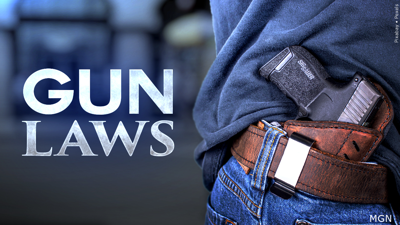
The Holster Is Safety Equipment
A holster should not be treated as a decorative accessory. It is safety equipment.
A suitable concealed-carry holster should:
- Completely cover the trigger and trigger guard.
Nothing should be able to enter the trigger guard while the firearm is holstered. - Retain the firearm securely.
The gun should remain in place during normal walking, sitting, bending and everyday movement. - Maintain its shape.
The holster should not collapse in a way that interferes with safe handling or reholstering. - Attach securely to the wearer.
The holster should remain in place when the firearm is removed. - Fit the exact firearm.
A generic pouch that loosely fits several models may not provide adequate trigger protection or retention. - Allow a consistent grip.
The wearer should be able to establish a proper grip without repeatedly repositioning the firearm.
Avoid carrying a handgun loose in a pocket, waistband, purse or bag. Even when carrying off-body, the firearm should remain secured in a dedicated holster or compartment that protects the trigger.
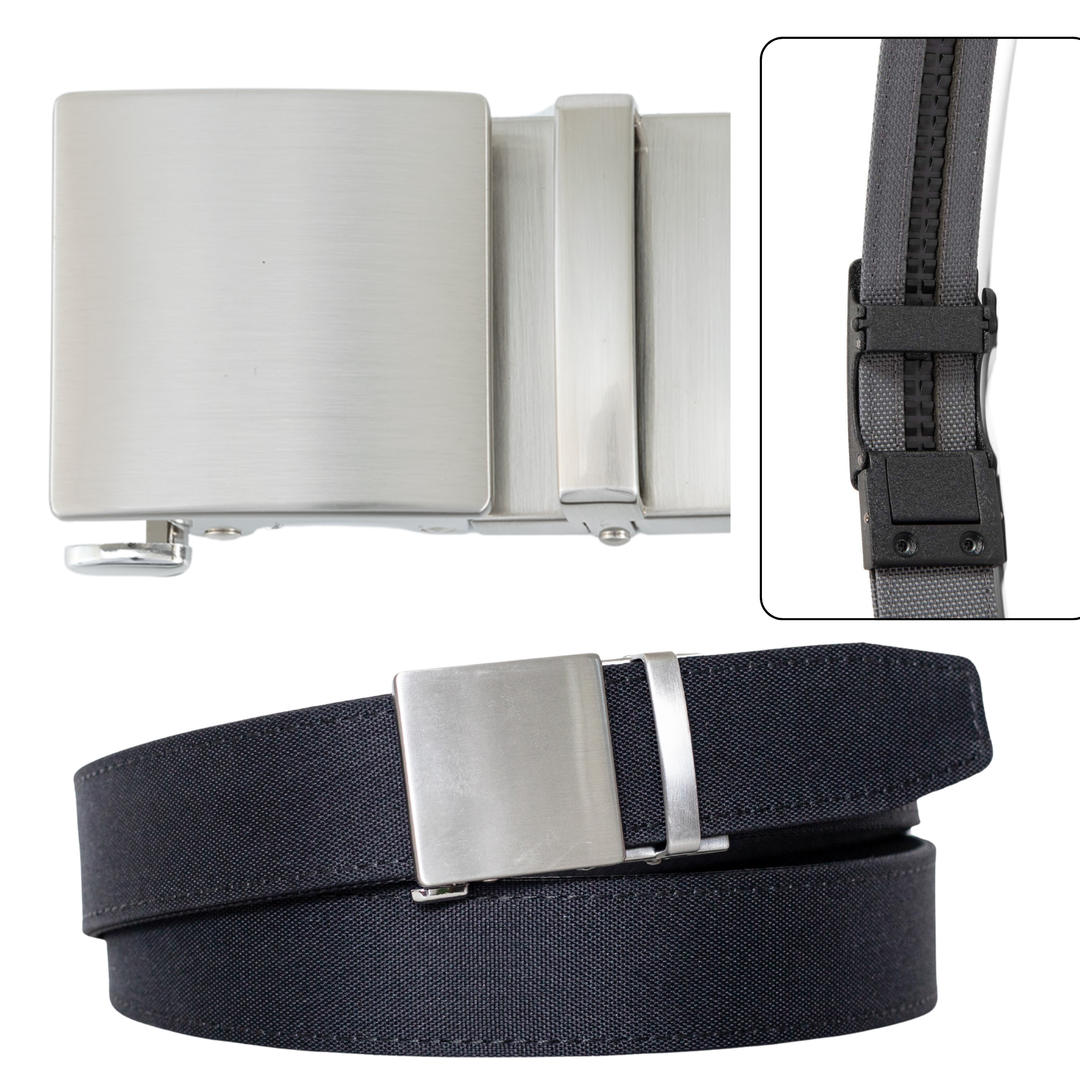
The Importance of a Proper Gun Belt
A regular fashion belt is often too flexible to support the combined weight of a loaded handgun and holster.
A purpose-built gun belt distributes that weight, reduces sagging and helps keep the holster in a consistent position. This improves comfort, concealment and stability while walking, sitting or getting in and out of a vehicle.
The right belt helps prevent:
- The firearm leaning away from the body
- The holster shifting throughout the day
- Clothing being pulled out of position
- Frequent and obvious adjustments
- Uneven pressure on the hips or lower back
A belt should be supportive without being unnecessarily rigid. The correct width must also match the holster clips or belt loops.
Inside-the-Waistband Carry
Inside-the-waistband, or IWB, carry positions the holster inside the pants with the attachment secured to the belt.
Advantages
IWB is popular because it generally conceals a handgun well. Much of the firearm is below the beltline, leaving less of the grip and slide visible under clothing.
It works with many everyday outfits and is available in several positions, including appendix, strong-side hip and behind-the-hip carry.
Potential disadvantages
The firearm and holster occupy space inside the waistband. Pants that fit comfortably without a firearm may become too tight when one is added.
Some people also experience pressure while sitting, especially when carrying a larger handgun or using an unsuitable holster.
Best suited for
IWB often works well for people who prioritize concealment and are willing to adjust clothing size, belt tension and holster position to achieve a comfortable fit.
A small change in ride height, cant or belt position can make a significant difference.
Appendix Inside-the-Waistband Carry
Appendix inside-the-waistband, commonly called AIWB, places the firearm toward the front of the body.
Advantages
For some body types, appendix carry provides excellent concealment and keeps the firearm accessible while standing. It may also be easier to protect from unauthorized access because it remains within the wearer’s forward field of awareness.
Potential disadvantages
AIWB can be uncomfortable when sitting, driving or bending. Firearm size, barrel length, body shape, belt height and holster design all affect comfort.
Because of the firearm’s position, disciplined handling and a properly fitted holster are especially important. Clothing, drawstrings and other objects must be kept away from the holster opening and trigger area.
Appendix carry should be learned through qualified instruction rather than experimentation with a loaded firearm.

Strong-Side and Behind-the-Hip IWB Carry
Strong-side IWB usually places the firearm near the dominant-side hip, while behind-the-hip carry moves it slightly farther toward the back.
Advantages
These positions are familiar and comfortable for many people. They can work well with jackets, untucked shirts and other common cover garments.
Potential disadvantages
The handgun’s grip may become visible when bending forward or reaching overhead. Sitting against a firm chair can also create pressure.
Carrying too close to the center of the back is generally less desirable. It can be difficult to access, difficult to protect and uncomfortable if the wearer falls backward or sits against the firearm.
Outside-the-Waistband Carry
Outside-the-waistband, or OWB, carry places the holster on the outside of the pants.
Advantages
OWB is often more comfortable than IWB because the holster does not occupy space inside the waistband. It can support larger firearms and may allow a natural, consistent grip.
Potential disadvantages
Because more of the handgun sits outside the clothing, OWB generally requires a longer or looser cover garment. The bottom of the holster may become visible when reaching or bending.
Best suited for
OWB can be an excellent option for people who wear jackets, overshirts, sweaters or other cover garments. A high-riding holster held close to the body usually conceals more effectively than a low or outward-angled design.

Shoulder Holsters
A shoulder holster suspends the firearm beneath one arm using a harness worn around the shoulders.
Advantages
Shoulder systems can be comfortable for extended periods of sitting or driving. They keep the waist free and may distribute the firearm’s weight across the upper body.
They can also accommodate certain larger handguns that may be uncomfortable at the waist.
Potential disadvantages
A shoulder holster requires a suitable cover garment that remains on throughout the day. Removing the jacket may expose the firearm.
Some designs orient the muzzle horizontally, making muzzle awareness particularly important. Reaching across the body can also cause the arm to sweep across people nearby if the user has not received proper instruction.
Best suited for
Shoulder carry may work for drivers, seated professionals and people whose clothing or physical limitations make waistband carry impractical. It requires careful fitting, good retention and dedicated training.
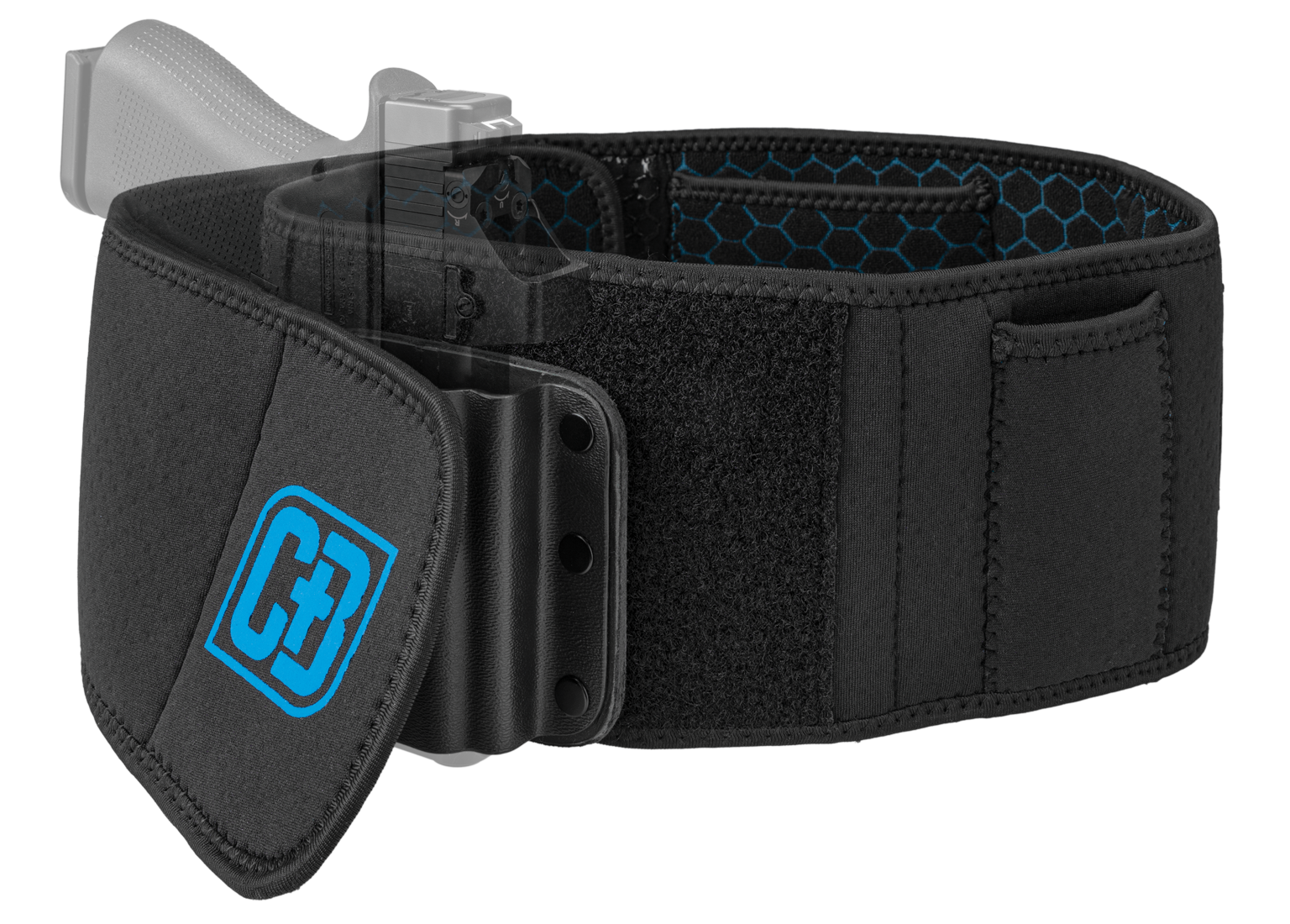
Belly Bands
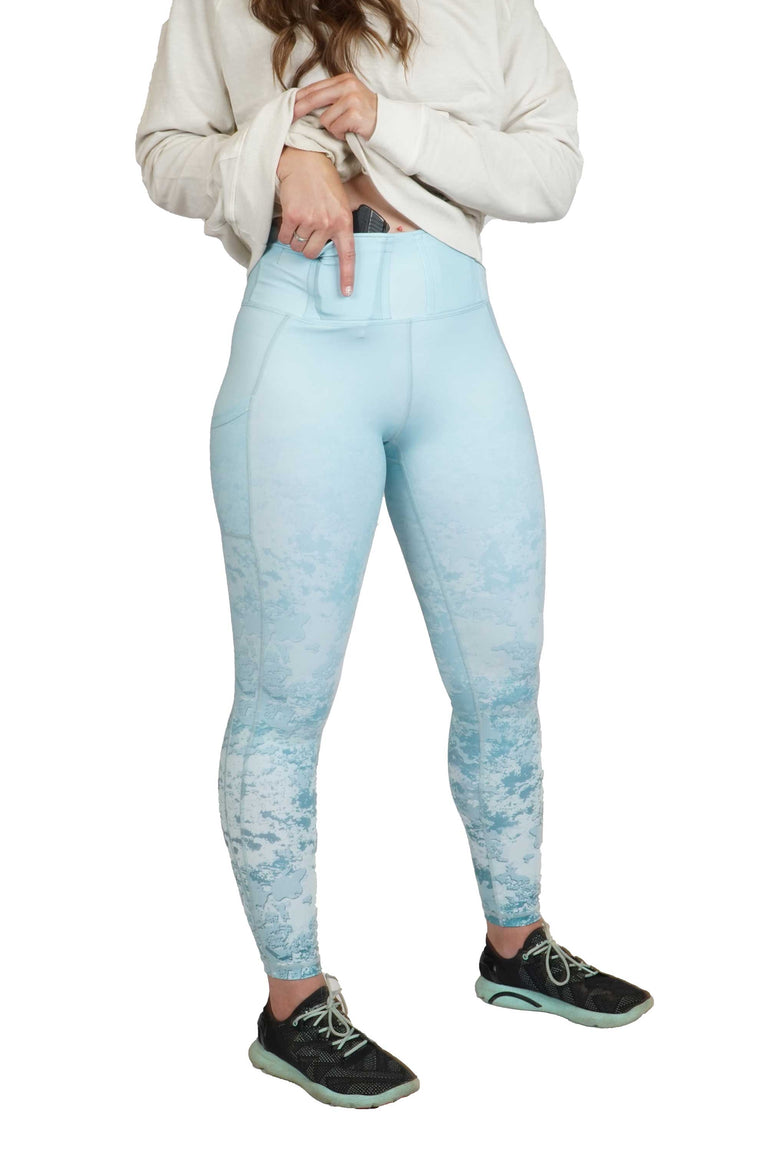
A belly band is an elastic or structured wrap worn around the torso. It is often used with athletic clothing, medical scrubs or clothing that does not support a traditional belt.
Advantages
Belly bands offer flexibility in firearm position and can be worn with clothing that lacks belt loops. They may also accommodate additional items such as a phone, identification or medical supplies.
Potential disadvantages
Not every belly band provides adequate trigger protection. Soft material can press against controls or allow objects to reach the trigger area.
Heat, perspiration and moisture retention can affect comfort and may contribute to corrosion if the firearm is not inspected and maintained.
What to look for
Choose a system that incorporates a rigid or reinforced trigger-covering holster made for the specific firearm. The band should keep the firearm stable during movement rather than allowing it to bounce or rotate.
A loose elastic pocket by itself is not the same as a properly fitted holster.
Cross-Draw Carry
Cross-draw places the firearm on the support side with the grip positioned for access by the dominant hand.
Advantages
Cross-draw can be accessible while seated and may be useful for people with limited shoulder mobility. It can also work for certain vehicle-based or occupational needs.
Potential disadvantages
The movement crosses the front of the body and can create muzzle-direction concerns without proper technique. The firearm may also be more accessible to a person standing in front of the wearer.
Cross-draw is less common than conventional strong-side carry and should be evaluated with an instructor who understands the method.
Pocket Carry
Pocket carry can work with small handguns, but only when a dedicated pocket holster is used.
The holster should cover the trigger, keep the firearm oriented consistently and remain in the pocket when the firearm is removed.
The firearm should have a pocket to itself. Keys, coins, knives, pens and other objects should never share the same pocket.
Pocket carry can be convenient and discreet, but the firearm may become difficult to access when seated. Loose or shallow pockets may also provide inadequate support.
Ankle Carry
Ankle holsters are most commonly associated with small handguns.
Advantages
Ankle carry can provide deep concealment and may work when clothing prevents waistband carry.
Potential disadvantages
Access is slower and requires bending, kneeling or raising the leg. The firearm is exposed to dust, moisture and impact near the ground, and the holster may shift during rapid movement.
For many carriers, ankle carry is better suited to a specialized or secondary role than as the primary everyday method.
Crossbody Bags and Sling Bags
Crossbody bags have become a popular form of off-body carry.
Advantages
They accommodate clothing without belts and may be comfortable for walking, travel or outdoor activities. A properly designed bag can also provide a dedicated firearm compartment.
Significant concerns
The firearm is no longer physically attached to the body in the same manner as a belt-mounted holster. Bags may be misplaced, stolen, handed to another person or left where a child can reach them.
The firearm should be secured in a dedicated internal holster that covers the trigger and maintains a consistent position. The compartment should contain nothing else.
The bag should remain under the carrier’s direct control. A crossbody strap is generally more secure than carrying a bag loosely by one handle, but it does not eliminate the risks of off-body carry.

Concealed-Carry Handbags
Purpose-built concealed-carry handbags can offer a practical solution when on-body carry is difficult.
Look for:
- A separate firearm compartment
- A secure internal holster
- Trigger protection
- Lockable or controlled access
- A reinforced, slash-resistant strap
- A design that keeps the firearm in a consistent orientation
A purse should never be left unattended in a shopping cart, restaurant booth, vehicle, office or family gathering. It should not be placed where another person can casually open it.
The carrier must also consider what happens when entering a prohibited location. A handbag left unattended in a vehicle is not secure storage. When temporary vehicle storage is necessary and lawful, a purpose-built lockbox secured to the vehicle is preferable to hiding the firearm in a glove compartment or under a seat. NSSF recommends using secure temporary storage, such as a lockable case or lockbox, when a firearm must remain in a vehicle.
There Is No Universal “Best” Carry Position
The best method is the one that allows a lawful carrier to keep the firearm:
- Properly concealed
- Completely secured
- Under direct control
- Comfortable enough for consistent use
- Protected from unauthorized access
- Stable during normal activity
Body shape, mobility, clothing, firearm size, daily routine and work environment all matter.
A method that works well for one person may be uncomfortable or unsafe for another. It is often necessary to try several quality holsters before finding the right setup.
That is normal.
Selecting a Concealed-Carry Handgun
The smallest handgun is not automatically the easiest to operate. Very small firearms may be easier to conceal but harder to grip, manipulate and shoot comfortably.
Consider:
- Your ability to control the firearm
- Grip size and reach to the controls
- Ease of loading and unloading
- Recoil tolerance
- Reliability
- Sight visibility
- Firearm thickness and weight
- Holster availability
- Safe storage requirements
- Your willingness to practice with it
Whenever possible, handle several models and test suitable firearms at a range before making a final decision.
The best concealed-carry handgun is not necessarily the most powerful, smallest or most expensive. It is a reliable firearm that the lawful owner can operate safely, carry securely and practice with consistently.
Clothing and Concealment
Successful concealment does not always require oversized clothing.
Small adjustments can help:
- Use shirts with slightly heavier or textured fabric.
- Select patterns that reduce visible outlines.
- Consider a longer hem when using OWB carry.
- Avoid excessively tight clothing over the firearm.
- Check concealment while sitting, bending and reaching.
- Use a support garment when carrying with athletic clothing.
- Choose pants with enough waistband space for IWB carry.
Check your setup in a mirror from several angles. A trusted family member or instructor can also help identify printing or exposed equipment.
Avoid repeatedly touching or adjusting the firearm in public. Constant “security checks” can draw more attention than minor printing.
Practice With the Equipment You Carry
Owning a permit and purchasing a holster are only the beginning.
Practice should include safe handling, loading and unloading, malfunction recognition, movement, verbal communication and decision-making. Holster work should initially be conducted slowly under qualified supervision.
At home, practice should begin with an unloaded firearm in a controlled location. Remove live ammunition from the room, verify the firearm’s condition and follow all firearm-safety rules. A dedicated inert training replica may be an even better option for learning equipment placement and basic movement.
Do not rush to build speed. Consistency and safety come first.
Reholstering Should Never Be Rushed
Putting the firearm back into the holster is an administrative action, not a race.
Before reholstering:
- Confirm that the situation is safe.
- Keep your finger away from the trigger.
- Check that clothing and drawstrings are clear.
- Maintain control of the firearm.
- Look at the holster when circumstances permit.
- Stop immediately if anything feels obstructed.
There is rarely a legitimate reason to force a firearm into a holster.
Responsible Carry Continues at Home
A carry firearm does not become harmless when it is removed from the belt.
Develop a deliberate routine for putting the firearm on and taking it off. Avoid unnecessary loading and unloading whenever a holstered firearm can be placed directly into a suitable secured storage container.
Firearms not under the owner’s immediate control should be stored so they are inaccessible to children, unauthorized adults and prohibited persons. Project ChildSafe emphasizes that safe handling and secure storage are the firearm owner’s responsibility.
Final Thoughts
Concealed carry is not simply placing a handgun under a shirt.
It is a system built around legality, safety, judgment, training and dependable equipment.
The ideal setup should allow you to go about your day without constantly adjusting the firearm or worrying that it will become exposed. It should provide adequate trigger protection, secure retention and a stable attachment to your body or carry system.
Most importantly, carrying a firearm should reinforce—not replace—good judgment.
Stay aware of your surroundings. Avoid unnecessary conflict. Know the law. Secure your firearm. Continue training.
Carry quietly. Carry responsibly. Stay prepared.
Need Help Choosing a Carry Setup?
Coastal Firearms can help you compare concealed-carry handguns, holsters, belts and storage options based on your clothing, daily activities, comfort and experience.
Coastal Training Group also offers firearm-safety and concealed-carry instruction designed to help responsible citizens build safe, practical skills—not simply complete a requirement.
Contact Coastal Firearms to schedule a personalized consultation.
This article is intended for general educational purposes and is not legal advice. Firearm and concealed-carry laws vary by jurisdiction and may change. Consult current official sources and qualified legal counsel when necessary.